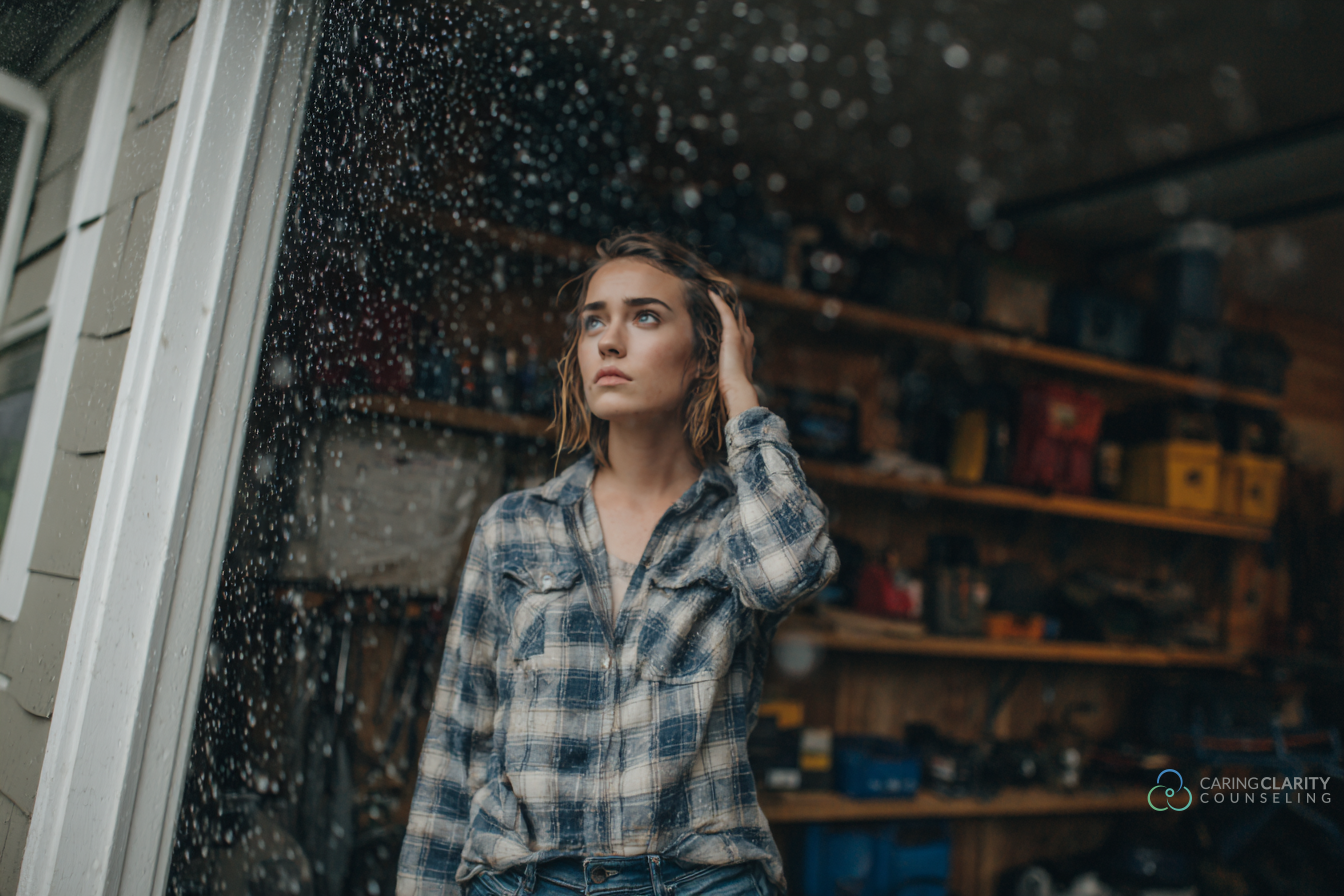
You know that thing where you’re driving through a small town and see a pregnant woman at the grocery store, looking exhausted, and you think “I wonder if she has anyone to talk to?” Here’s what’s actually happening: She probably doesn’t. And it’s not because she’s unfriendly or her family doesn’t care. It’s because rural maternal mental health care is basically nonexistent, and everyone’s pretending that’s fine.
Let me be direct with you. In my twenty years of practice, I’ve watched rural mothers suffer in silence more times than I can count. Not because they’re weak. Not because they don’t know they need help. But because the help literally isn’t there. And when $50 billion in federal funding shows up to transform rural healthcare, most people’s eyes glaze over at the policy talk. But here’s what that money actually means: We might finally stop abandoning mothers in their most vulnerable moments.
Here’s what I’ve noticed that nobody talks about: Rural mothers aren’t just dealing with the normal challenges of pregnancy and postpartum. They’re dealing with those challenges while isolated, often hours from the nearest mental health provider, in communities where “toughing it out” isn’t just expected—it’s the only option available. I had a client drive three hours each way to see me, newborn in tow, because I was the closest therapist who understood maternal mental health. Three hours. With a screaming baby. While dealing with postpartum anxiety. Let that sink in.
Most people don’t realize that rural maternal mental health isn’t just about geography. It’s about layers of invisibility. These mothers are invisible to the healthcare system, invisible to policymakers, and often invisible to themselves. They’ve internalized the message that their struggles don’t matter enough to warrant the two-hour drive to town. That their anxiety is just “new mom worries.” That their depression is just “baby blues that’ll pass.”
But here’s the pattern I see every single week: These women are not weak. They’re actually performing superhuman feats of endurance. Managing farms while pregnant. Caring for other children with no family nearby. Working jobs with no maternity leave. All while their brains and bodies are going through massive changes that would challenge anyone, anywhere, under any circumstances. The isolation doesn’t make them fragile—it makes them resourceful in ways that would astound their urban counterparts.
What if I told you that the real issue isn’t that rural mothers can’t cope? It’s that we’ve built a system that asks them to cope with the impossible. We’ve normalized their suffering by calling it “rural life” instead of calling it what it is: systemic neglect.
This isn’t about rural communities being backward or resistant to mental health care. I’ve worked with these families. They’re not afraid of therapy—they’re afraid of driving two hours while eight months pregnant only to be told they’re on a six-month waitlist. They’re not stigmatizing mental health—they’re being realistic about what’s actually available to them.
The truth is: When a rural mother struggles with her mental health, it affects entire communities. These women are often the backbone of their small towns—teachers, nurses, small business owners, farmers. When they suffer in silence, everyone suffers. Their children grow up thinking this is normal. Their partners feel helpless. Their communities lose vitality.
Here’s what’s actually happening with this new federal funding: For the first time, there’s real money to build mental health infrastructure where these mothers live. Not where they’d have to drive to. Where they actually are. Telehealth that works with rural internet. Mobile clinics that come to them. Peer support programs run by women who understand what it’s like to have your nearest neighbor be five miles away.
I see this pattern constantly: Rural mothers will move mountains for their families but won’t drive an hour for their own therapy appointment. You know why? Because that hour drive means finding childcare in a place where the nearest babysitter might be counties away. It means gas money when the budget’s already stretched. It means being gone for four hours minimum, and who’s going to milk the cows or pick up the kids from school?
Let’s be honest about this: The current system isn’t broken. It was never built in the first place. You can’t break what doesn’t exist. And that’s actually good news, because it means we don’t have to fix something—we get to build it right from the start.
Your frustration with the lack of maternal mental health care in rural areas isn’t dramatic. It’s appropriate. Your anger that mothers are expected to just “handle it” isn’t misplaced. It’s clarity. And once you see how we’ve systematically failed rural mothers, you can’t unsee it.
The shift in perspective is simple but profound: Rural maternal mental health isn’t a niche issue. It’s a litmus test for how seriously we take mothers’ wellbeing as a society. Every rural mother who suffers in silence is evidence of our collective failure to see her as worthy of care. But every dollar of this new funding is a chance to say: We see you now. You matter. Your mental health matters. Your community matters.
What changes everything is this: Once rural mothers have access to mental health care, they don’t just heal themselves. They transform their communities. Because a mother who’s supported doesn’t just survive—she thrives. And in small towns, one thriving mother can shift the entire culture around mental health.
The truth is startlingly simple: Rural mothers don’t need to be fixed. They need to be seen. They don’t need to be stronger. They need actual, accessible support. And for the first time in decades, that might actually be possible. Not because they’ve suddenly become worthy of care—they always were. But because we’re finally building a system that acknowledges their existence.
You’re exactly where you need to be if you’re reading this and thinking “Finally, someone said it.” Whether you’re a rural mother yourself, someone who loves one, or someone working in healthcare—your recognition of this problem is the first step toward solving it. Because here’s what twenty years of practice has taught me: Change doesn’t happen when we pretend problems don’t exist. It happens when we name them clearly and refuse to look away.