

Get in front of a licensed Pennsylvania therapist in days, not months, and start working on the two of you together.
The same argument keeps happening, and you both know the script by heart now. Who says what, when the voices get raised, how it ends with someone sleeping on the couch or grabbing the keys for a drive around the block. You tell yourselves it is just work, the kids, the bills. But underneath it, you both feel the same thing: this is not how you pictured being married would feel.
What you are living through is not a sign that your relationship is beyond repair or that you chose the wrong person. Most couples hit these cycles when the old ways of connecting stop working and the new ones have not formed yet. The distance feels unbearable because you remember how close you used to be. The frustration runs high because you both want the same thing, to feel like a team again, and you keep missing each other in the attempt.
Here is the part that makes it harder in Philadelphia specifically. This city has a deep bench of hospitals, universities, and community resources, but that does not mean you can actually get seen. Wait times for in-network providers commonly stretch past a month, and the Philadelphia Department of Public Health recorded more than 94,000 adult depression cases in 2023, the highest of any county in Pennsylvania. When a relationship is straining, four to six weeks on a waitlist can feel like watching the distance widen while you stand there unable to do anything about it. In Philly the shortage is rarely therapists. It is appointments.
Telehealth cuts through that. Because our counselors are licensed in Pennsylvania, you can meet by secure video from anywhere in the state, whether you are in Fishtown, South Philly, Chestnut Hill, or out in Montgomery, Bucks, or Delaware county where a drive into Center City adds another layer of friction to an already heavy week. No traffic. No sitting in a waiting room avoiding eye contact with the couple across from you. You join from your living room, or from separate rooms if that is easier right now, or from two different places if your work schedules demand it.
Couples counseling opens a different possibility, and it does not work by handing you communication tricks or a conflict-resolution checklist. It works by helping you both see the pattern you are caught in. Once you understand what is actually driving the disconnect, you stop taking it so personally. You start to recognize your partner’s withdrawal, or their sharpness, as their own clumsy way of reaching for you. The whole dynamic loosens because you are finally aimed at the real problem together instead of at each other.
The first sessions start with understanding what each of you is experiencing. Your therapist helps translate between you, catching the things that get lost when emotions are running hot. They name the cycle without taking sides, because the cycle is the problem, not either of you. Most couples feel some relief from that first session alone, from being genuinely heard while the other person is in the room.
You do not need things to get worse before this counts. You do not need the perfect words to explain what is wrong. If you are reading this, you already know something needs to shift, and the hardest part, admitting you could use support, is already behind you.
Take the next small step. A brief consultation call gets you matched with a Pennsylvania-licensed therapist who understands what you are facing, often with a first session available within days. Many couples say they wish they had started sooner, when the distance was still easier to close. Today is soon enough.
Benefits of Couples & Marriage Counseling in Philadelphia, PA
- Space to feel close again instead of stuck in conflict
- Learn to actually hear each other without it becoming a fight
- Online sessions you can do together from home
- Secure video sessions from home — evening & weekend appointments available
Frequently Asked Questions
Providers accepting referrals
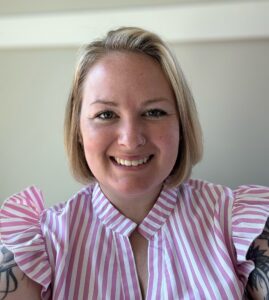 Alexis Haines
Let the healing begin! I have been exposed to many different types of therapy and traumas. Still, I have spent the most time working with sexual… View profile
Alexis Haines
Let the healing begin! I have been exposed to many different types of therapy and traumas. Still, I have spent the most time working with sexual… View profile
 Cassandra Smith
Hi, my name is Cassie, and I am a Licensed Professional Counselor in Pennsylvania. I have experience working with diverse clients of all age groups. I… View profile
Cassandra Smith
Hi, my name is Cassie, and I am a Licensed Professional Counselor in Pennsylvania. I have experience working with diverse clients of all age groups. I… View profile