

Learn how to make peace with food and with yourself.
You know the exact calorie count of everything in your kitchen. You’ve memorized which jeans feel tightest after lunch. The mirror has become both your harshest critic and your most frequent companion. What started as wanting to feel better in your body has become a set of rules that controls your entire day.
This is what eating struggles actually look like. Not the dramatic scenes from movies, but the quiet negotiations with yourself at every meal. The mental math that never stops. The way you’ve learned to smile and say you already ate, or you’ll grab something later, or you’re just not that hungry. The exhaustion of performing “normal” around food while your mind races through calculations and compensations.
You’re not broken for struggling with food. You’re responding to a culture that taught you your worth lives in your weight, then left you alone to figure out the impossible balance. The part of you that started restricting or binging or purging was trying to solve something. Maybe it was control when everything else felt chaotic. Maybe it was numbing when feelings felt too big. Maybe it was trying to disappear when being seen felt unsafe.
Real support means understanding what the food behaviors are protecting you from, not just trying to change what you eat. Our therapists know that beneath every food rule is usually a deeper need trying to be met. They’ll help you recognize the pattern without shame, understand what drives it, and slowly build different ways to meet those needs.
This happens through regular video sessions with a licensed therapist who specializes in eating and body image concerns. You’ll meet from the privacy of your own space, no driving to an office where you worry who might see your car in the parking lot. Your therapist will help you see the connections between your food struggles and what’s happening in the rest of your life. Together, you’ll work on the real issues underneath the surface behaviors.
Recovery doesn’t mean loving your body every day or never thinking about food again. It means the food thoughts stop drowning out everything else. It means eating lunch without doing penance. It means your mood isn’t dictated by a number on a scale. It means having space in your mind for things that actually matter to you.
You’ve probably tried to fix this on your own. Maybe you’ve promised yourself a fresh start every Monday for months. But willpower isn’t the problem, and you don’t need another meal plan. You need someone who understands what you’re really fighting and can help you find a different way through.
The hardest part is often just saying it out loud to someone: “I think I need help with this.” Once you do, you don’t have to figure out the rest alone. Start with a consultation call. It’s free, it’s private, and it’s a chance to talk to someone who understands what you’re going through without judgment.
Benefits of Eating Disorder Support
- Space to feel more at peace with food and your body
- Support focused on your relationship with food, not numbers
- Online sessions that work alongside your medical and nutrition team
- Secure video sessions from home — evening & weekend appointments available
Frequently Asked Questions
Providers accepting referrals
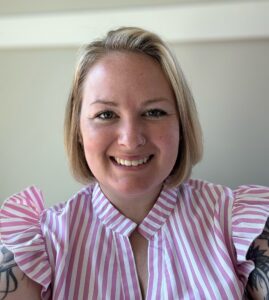 Alexis Haines
Let the healing begin! I have been exposed to many different types of therapy and traumas. Still, I have spent the most time working with sexual… View profile
Alexis Haines
Let the healing begin! I have been exposed to many different types of therapy and traumas. Still, I have spent the most time working with sexual… View profile
 Joshelin Cherrez
Culturally competent therapist, fluent in Spanish, with over five years experience in mental health, whose great passion is bringing healing to those experiencing stressful or traumatic… View profile
Joshelin Cherrez
Culturally competent therapist, fluent in Spanish, with over five years experience in mental health, whose great passion is bringing healing to those experiencing stressful or traumatic… View profile