

The dread before a party, the replaying of every conversation at 2am, the exhausting work of seeming fine, there's a reason it feels this big.
You said maybe to the dinner three weeks ago, and you have been quietly dreading it ever since. Now it’s the morning of, and your stomach is already doing the thing it does. You’re not even there yet and you’re tired.
Here’s what people who don’t have it tend to miss. Social anxiety is not shyness, and it’s not being bad at people. You’re often very good at reading a room. That’s part of the problem. You catch every flicker of a face, every pause that lasts a half second too long, and your brain files all of it as evidence that you said the wrong thing.
So you rehearse. Before the call, you script how you’ll open. After the conversation, you run it back, hunting for the moment you came across as awkward. The replay at 2am is not random. It’s your mind trying to keep you safe by checking the tape one more time.
And the steady exterior most people see costs you something. Looking relaxed at the meeting while your heart races. Laughing at the right moment while half your attention is on whether your voice sounded weird. That gap between how you feel and how you perform is exhausting, and no one around you can see how hard you’re working.
You are not broken, and you do not need years on a couch to understand this. The pattern you’re living inside is actually pretty learnable once someone helps you see it clearly. Online therapy for social anxiety gives you a place to look at what your mind is doing before, during, and after the moments that scare you, and to practice a different response that does not depend on a perfect script.
This works for the everyday stuff and the bigger stuff. Sending a text without reading it nine times. Speaking up in a meeting without your face going hot. Going to the party and actually being there, instead of standing on the edge managing how you look. Therapy for social anxiety helps you trust that you can be in the room as yourself and be okay.
How it works is simple. You meet with a licensed therapist over secure video, from wherever you already feel safe. That detail matters more here than almost anywhere else. You don’t have to sit in a waiting room with strangers or rehearse a drive to an office. You can do this from your own couch, in your own clothes, with the door closed.
If part of you is worried the first session will feel awkward, that worry makes complete sense given everything you’re carrying. Your therapist knows. Working with social anxiety is their thing, and there’s no version of this where you say the wrong thing or perform it correctly. You bring whatever you’ve got, including the nerves about being there at all.
We see clients across New Jersey, Pennsylvania, and Delaware, and we’ll match you with a therapist who actually understands this, so you’re not starting from scratch explaining what social anxiety even feels like. Many plans cover sessions, and you can ask about insurance and cost before you commit to anything.
You’ve handled this on your own for a long time. You don’t have to keep doing the rehearsing and the replaying by yourself. A free consultation is a low-stakes way to talk to someone and see how it feels, no pressure to keep going if it isn’t right.
Benefits of Online Therapy for Social Anxiety
- Quiet the after-the-fact replays
- Show up without rehearsing every word
- Therapy from your own safe space
- Matched with a therapist who gets it
Frequently Asked Questions
Providers accepting referrals
 Tamika Montague
I am a licensed clinical social worker with a strong foundation in Trauma-informed practices. I am a Graduate of Children’s Hospital of Philadelphia’s Cognitive Behavioral Therapy… View profile
Tamika Montague
I am a licensed clinical social worker with a strong foundation in Trauma-informed practices. I am a Graduate of Children’s Hospital of Philadelphia’s Cognitive Behavioral Therapy… View profile
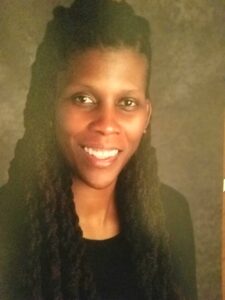 Alkanease Garrett
I am a Licensed Clinical Social Worker in PA. I have over 20 years of experience in the mental health field, having worked with children, adolescents,… View profile
Alkanease Garrett
I am a Licensed Clinical Social Worker in PA. I have over 20 years of experience in the mental health field, having worked with children, adolescents,… View profile