
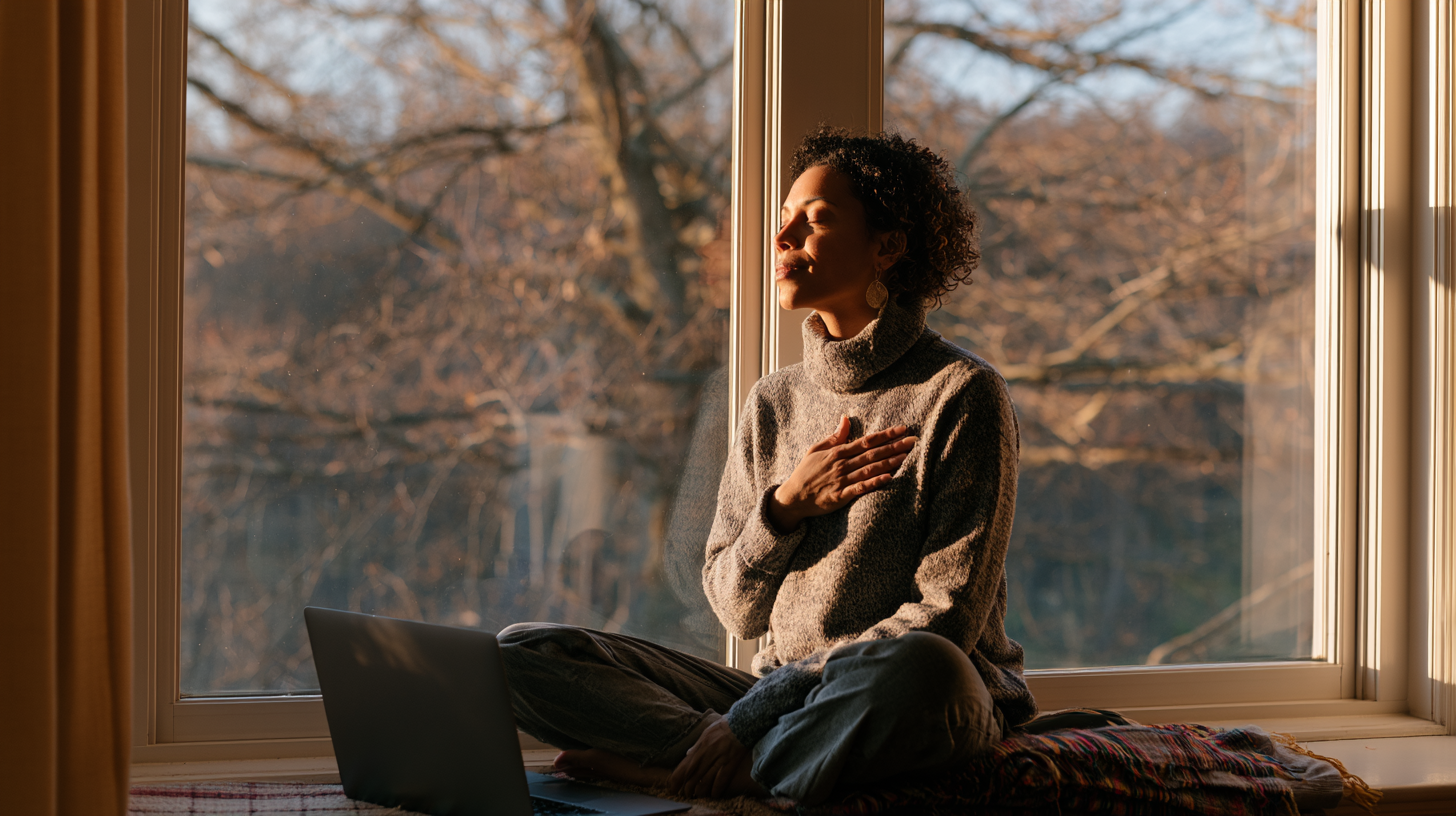
Steady support for the highs and lows, from a PA-licensed counselor, wherever in the state you are.
Some mornings you wake up feeling like you could take on the whole day and then some. Other mornings the ceiling feels too far away to reach, and getting out of bed is the biggest thing you will do. The highs climb high enough that people around you start to worry, and the lows sink deep enough that you scare yourself. You have tried to read the pattern, to brace for the turn, but the shifts arrive on their own schedule, not yours.
This is not about being moody or dramatic. This is about living with a nervous system that swings between extremes, sometimes without warning. During the up stretches you might spend money you do not have, start ten things you cannot finish, or make promises your future self has no way to keep. During the down stretches, the smallest task feels like too much, and the voice in your head turns cruel. What makes it harder is the in-between, when you feel like yourself again and start to wonder if you imagined all of it. Then the cycle turns, and you remember it was real, and that carrying it alone is wearing you down.
Getting help in Pennsylvania has its own set of obstacles, and they depend a lot on where you live. In Philadelphia and Pittsburgh, the waitlists can stretch for months. In the rural counties between the metros, the nearest counselor might be an hour of driving away, if there is one at all. About 22.8 percent of Pennsylvania adults, roughly 1.83 million people, went through a mental illness in 2022, and around 15 percent reported an unmet need for care, most often because of cost or a shortage of providers, according to SAMHSA and the CDC. When your moods are already unpredictable, the effort of finding and reaching an appointment can be the thing that stops you cold.
That is exactly where telehealth changes the math. A Pennsylvania-licensed counselor can meet you over a secure video link whether you are a professional in Center City, a parent in the Lehigh Valley, or a family in a rural county in Northeast PA. The same connection reaches all of it. You are not broken. Your brain works differently, and understanding how it works is where steadiness starts. When you can catch the early signs of a shift, name what is happening without judgment, and have a plan ready, the swings begin to lose some of their grip.
Our Pennsylvania therapists understand mood shifts from the inside. They know the difference between ordinary ups and downs and the kind of changes that pull your whole life off balance. Working with you through video from wherever you feel safe, they will help you map your own patterns, build practical ways to steady yourself, and hold the line between accepting who you are and managing what you live with. This is not about flattening your emotions or living small and careful. It is about building a relationship with your moods that lets you live fully while staying grounded. Plenty of people with mood conditions lead rich, creative, full lives once they have the right support behind them.
Starting is simple. You will be matched with a therapist who focuses on mood conditions and has openings that fit your schedule. No waiting room, no drive across the state, just a quiet space where you can be honest about what you are actually experiencing. The pendulum does not have to run your life. Reach out for a free consultation, and let us match you with a Pennsylvania counselor who can help you find your center and stay near it.
Benefits of Bipolar & Mood Disorder Support with Online Therapy in Pennsylvania
- Support toward steadier, more predictable days
- Skills to catch mood shifts early, working alongside your prescriber
- Online sessions that make consistent support easier to keep
- Secure video sessions from home — evening & weekend appointments available
Frequently Asked Questions
Providers accepting referrals
 Brianna Wolfgang
I am a kind, warm, and empathetic therapist who is passionate about supporting individuals navigating mental health challenges. I believe that the therapeutic relationship is the… View profile
 Alkanease Garrett
I am a Licensed Clinical Social Worker in PA. I have over 20 years of experience in the mental health field, having worked with children, adolescents,… View profile