

Stop feeling like your reactions are running the show, with a PA-licensed counselor you can see from anywhere in the state.
You know the moment right after it happens. The text you swore you wouldn’t send is already gone. The thing you promised yourself you’d hold back came out sharp and fast. Or you went silent and cold at the exact moment you wanted to reach for someone. The sting isn’t only about tonight. It’s the quiet certainty that tomorrow could go the same way, because it keeps going the same way.
When your emotions move that fast, advice like “just calm down” or “think before you react” lands like an insult. You have thought about it. You have wanted to do differently more than anyone knows. The problem was never that you didn’t try hard enough. The problem is that willpower alone cannot hold back a wave that big. What actually helps is a set of concrete skills you practice until they show up on their own, in the second you need them most. That is what DBT is built to give you.
DBT works differently than open-ended talk therapy. You still get a counselor who understands what living inside these feelings is like. You also get named, teachable tools: ways to tolerate distress without acting on it, to steady an emotion before it takes over, to stay planted in the present when your mind wants to spiral, and to say what you mean in a way that actually gets heard. Techniques with names like TIPP, PLEASE, and Wise Mind. You practice them between sessions, then you use them in a real fight, a real panic, a real 2 a.m.
For a lot of people in Pennsylvania, the hardest part was never the willingness. It was getting to the appointment at all. If you are in Philadelphia or the Lehigh Valley, you may have run into a waitlist that stretches out for months. If you are in a rural county in the northeast or out toward Erie, the closest counselor might be an hour of driving each way. According to SAMHSA and CDC data from 2022, about 22.8 percent of Pennsylvania adults, roughly 1.83 million people, dealt with a mental health condition that year, and around 15 percent said they couldn’t get the care they needed, most often because of cost or a shortage of providers. That gap isn’t a personal failing. It is geography and math.
Telehealth closes a lot of that gap. Because your counselor is licensed across the whole state, the same video link reaches a Center City professional squeezing a session between meetings and a family two hours from the nearest office. You practice these skills from wherever you feel safest, without driving across town when you are already overwhelmed, and without sitting in a waiting room trying to look composed. Just you, your counselor, and a clear connection.
You don’t need years of this before anything shifts. Most people start noticing something different within the first few weeks of practicing DBT skills. Not because they turned into a calmer person overnight, but because they finally have something to do when the wave hits, besides white-knuckle through it or give in to it. The intensity still comes. It stops getting to decide how the day goes.
If you are tired of watching yourself repeat patterns you hate, of relationships that keep slamming into the same wall, of feeling carried along by whatever your emotions decide, DBT can give you tools that match how intense this really is. A free 15-minute consultation is enough to see whether this fits. It could be the start of finally feeling like you are the one steering. Reach out and get matched with a PA-licensed DBT counselor.
Benefits of DBT (Dialectical Behavior Therapy) in Pennsylvania: Online Skills That Actually Work
- Support to feel less at the mercy of big emotions
- Concrete skills for distress, urges, and relationships
- Online sessions that keep support within reach when feelings hit hard
- Secure video sessions from home — evening & weekend appointments available
Frequently Asked Questions
Providers accepting referrals
 Cassandra Smith
Hi, my name is Cassie, and I am a Licensed Professional Counselor in Pennsylvania. I have experience working with diverse clients of all age groups. I… View profile
Cassandra Smith
Hi, my name is Cassie, and I am a Licensed Professional Counselor in Pennsylvania. I have experience working with diverse clients of all age groups. I… View profile
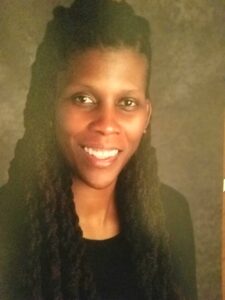 Alkanease Garrett
I am a Licensed Clinical Social Worker in PA. I have over 20 years of experience in the mental health field, having worked with children, adolescents,… View profile
Alkanease Garrett
I am a Licensed Clinical Social Worker in PA. I have over 20 years of experience in the mental health field, having worked with children, adolescents,… View profile