

When the miles start to feel like distance, the right space to talk can bring you back to each other.
You read the same text six times before you answer it, trying to figure out if the short reply means something or nothing at all. One of you is heading to bed while the other is just sitting down to dinner. The call cuts out, and you tell yourself it is fine, but a small part of you is keeping score of how many calls have ended that way lately.
Long distance has a way of turning ordinary moments into guesswork. You cannot read each other’s faces across a screen the way you could across a table. So you fill in the blanks yourself, and the blanks rarely fill in kind.
Long distance couples therapy gives you one place to sort through all of it together, no matter which two cities you are sitting in. You both log into the same secure video session from your own homes, and for that hour, the distance stops being the thing in the way. It becomes something you are working on side by side.
Here is what is probably true. You are not drifting because one of you stopped caring. You are running into the things distance does to even strong couples: the lag in a text, the timezone math, the conversations that feel too big to start over the phone so you keep putting them off. None of that means you are failing at this. It means you are carrying something most couples never have to carry, and you are doing it without a shared kitchen to figure it out in.
This is not about being fixed. There is nothing wrong with either of you. The work is seeing the pattern you have fallen into, the one where small misreads pile up until they feel like distance instead of just miles. Once you both see it clearly, you can stop reacting to it and start talking about it.
A therapist who works with long distance couples can help you with the things that actually trip you up. How to handle a hard conversation when you only have a video window. What to do when one of you needs to talk and the other is already asleep. How to stay close when closeness has to happen on purpose instead of by accident. You will leave sessions with real ways to reach each other, not vague advice about communicating more.
It works the way you would hope. Both of you join the same session from wherever you are. Your therapist is licensed and matched to what the two of you are dealing with. There is no waiting room, no commute, no need to be in the same place at the same time except for that one hour you both show up for. We work with couples across New Jersey and Pennsylvania, and you can start without rearranging your whole life.
You might be wondering if talking to a stranger on a screen will feel awkward. The first few minutes can. Then it stops feeling like a screen and starts feeling like the one room where you can both finally say what you have been holding back. And if you are worried it might not help, that worry is fair. Bring it. A good therapist would rather hear your doubt out loud than have it sit quietly between you.
If the distance has started to feel like more than miles, take the first small step and get matched with a therapist who understands what you are both carrying.
Benefits of Long Distance Couples Therapy That Closes the Gap
- One shared session from two homes
- Tools for the timezone and texting gaps
- Rebuild closeness without the commute
- Licensed therapists who get long distance
Frequently Asked Questions
Providers accepting referrals
 Joshelin Cherrez
Culturally competent therapist, fluent in Spanish, with over five years experience in mental health, whose great passion is bringing healing to those experiencing stressful or traumatic… View profile
Joshelin Cherrez
Culturally competent therapist, fluent in Spanish, with over five years experience in mental health, whose great passion is bringing healing to those experiencing stressful or traumatic… View profile
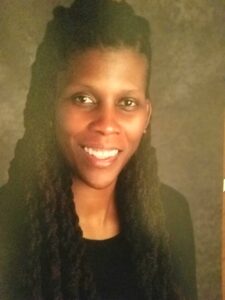 Alkanease Garrett
I am a Licensed Clinical Social Worker in PA. I have over 20 years of experience in the mental health field, having worked with children, adolescents,… View profile
Alkanease Garrett
I am a Licensed Clinical Social Worker in PA. I have over 20 years of experience in the mental health field, having worked with children, adolescents,… View profile